Are you starting to feel the limits of condo living in Toronto? If you are craving more space, a quieter daily rhythm, or a home that feels more connected to parks and streets instead of elevators and hallways, Unionville is likely already on your radar. This move can be exciting, but it also comes with a very different budget, commute pattern, and ownership experience. In this guide, you’ll see what really changes when you move from a Toronto condo to a Unionville home, and how to plan for it with more confidence. Let’s dive in.
Why Unionville Appeals to Toronto Condo Owners
Unionville offers a different kind of lifestyle than a typical condo district in Toronto. It is part of Markham, and the City of Markham identifies Unionville as a heritage conservation district. Main Street Unionville is known for its village-style heritage core, with public spaces such as Stiver Mill, Toogood Pond, Crosby Park, and nearby trails helping shape the area’s street-level feel.
For many buyers, that shift is the point. Instead of organizing your life around building amenities, elevators, and dense urban blocks, you may find yourself thinking more about parks, local walking routes, and the feel of a residential street. It is less about vertical living and more about how your home connects to the surrounding neighborhood.
Unionville Homes Come in More Forms
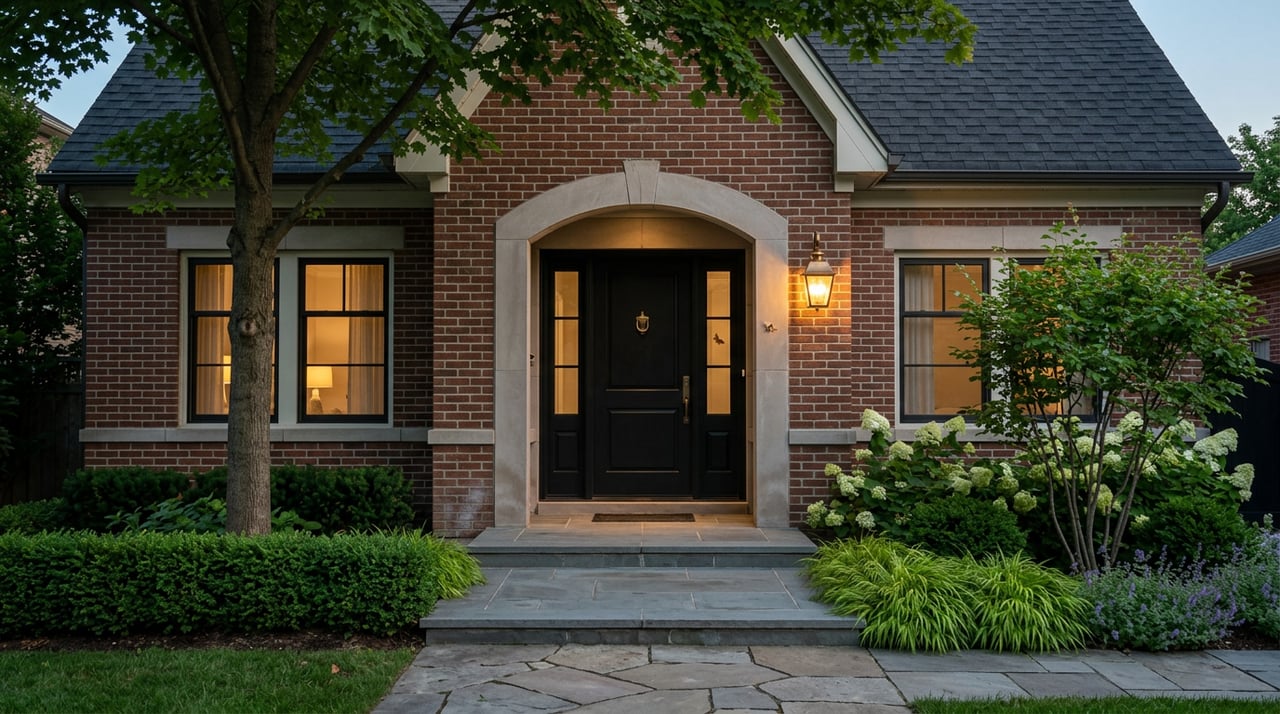
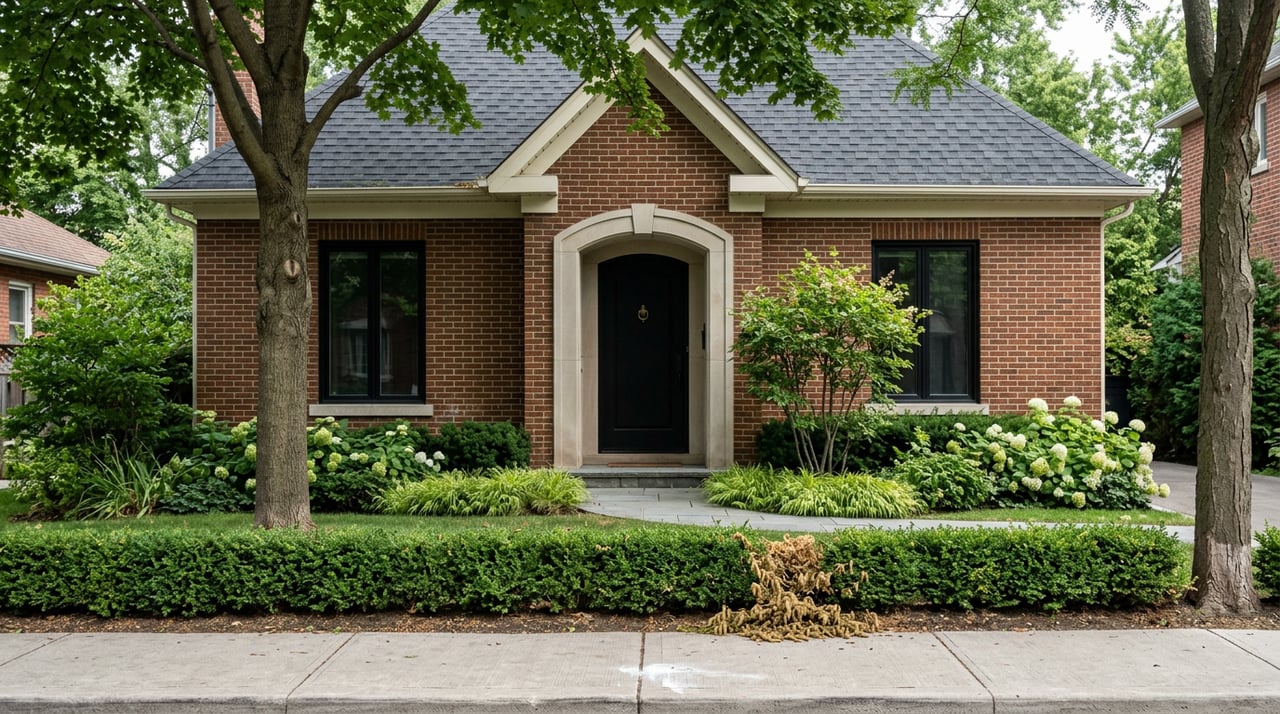
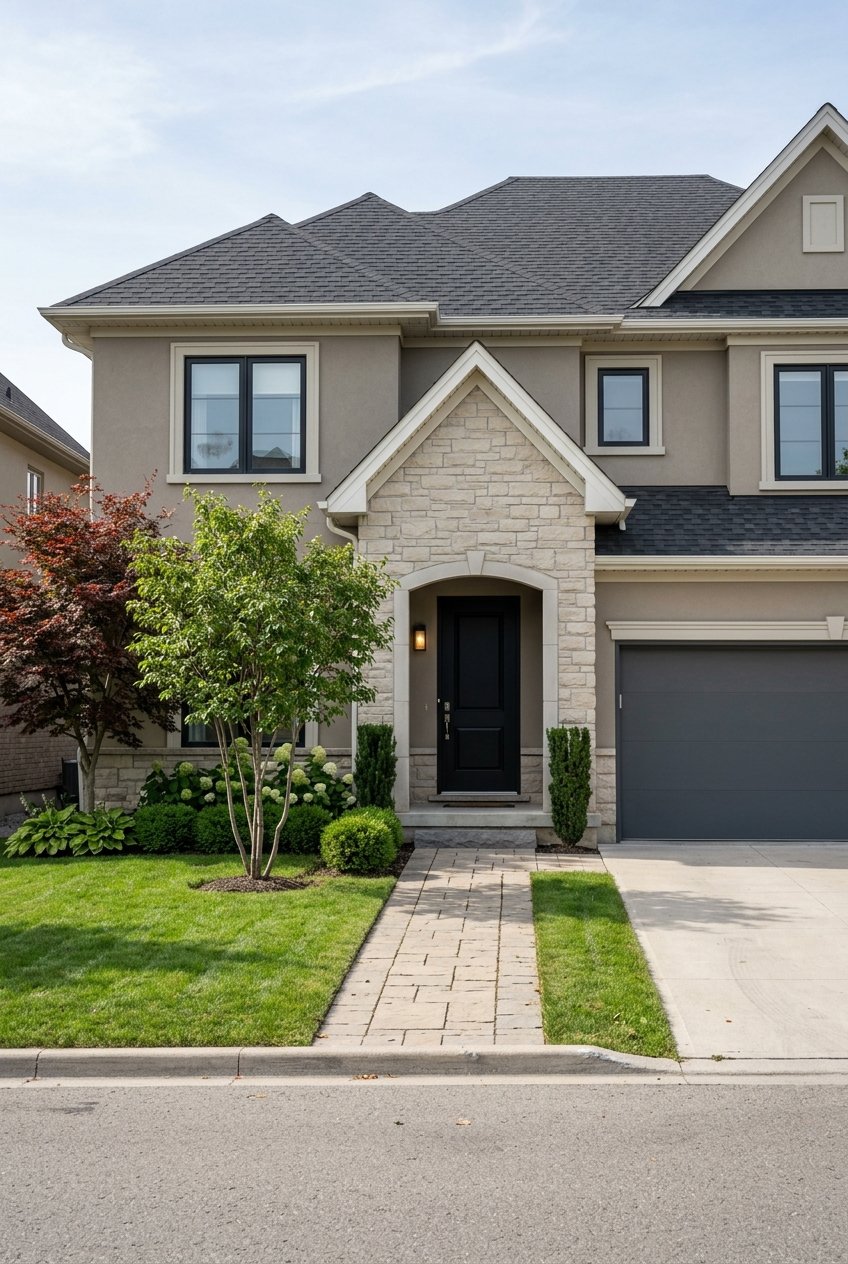
One common misconception is that Unionville only means historic detached houses. In reality, the broader area offers a mix of housing types. Markham’s zoning framework for the Main Street Unionville area allows detached, semi-detached, townhouse, and apartment forms.
That means your move does not have to be all or nothing. Depending on your budget and lifestyle goals, you may be comparing an older detached home, a semi-detached property, a townhouse, or a low-rise apartment-style option near the village area. The right fit depends on how much space you want, how much upkeep you are comfortable with, and how far you want to stretch your budget.
Historic Core vs Broader Unionville
The historic core is the most visibly heritage-driven and low-rise part of Unionville. If you love charm, mature streetscapes, and a village feel, this part of the area may stand out right away.
The broader Unionville area can give you more variety in home type and layout. That can be helpful if you want the Unionville address and lifestyle, but also want a more modern floor plan or a different price point than the historic core may offer.
The Price Jump Is Usually Significant
If you own a Toronto condo now, the biggest adjustment is often the price ladder. According to TRREB’s March 2026 market watch, the average condo apartment price in the City of Toronto was $648,287. In Markham, the average condo apartment price was about $616,594, while average prices climbed to $1,028,846 for townhouse properties, $1,055,091 for semi-detached homes, and $1,585,941 for detached homes.
The takeaway is simple. If your goal is a freehold home in Unionville rather than another condo, you are usually moving into a much higher price tier. This is not a small step up for most buyers. It is a major upsizing move that often requires a larger down payment, stronger monthly cash flow, and a clear limit on renovation or furnishing costs.
Selling a Condo in a More Flexible Market
TRREB’s Q1 2026 condo report noted that condo buyers were benefiting from substantial choice and negotiating power on price. If you are planning to sell a Toronto condo before buying in Unionville, that matters.
You may need to prepare for more pricing sensitivity on your condo sale side while shopping in a more expensive home segment on the purchase side. In practical terms, that usually means your move works best when you have a realistic sale strategy, a solid financing plan, and some flexibility built into your timing.
Your Monthly Budget Will Change
Moving from a condo to a house is not just about the purchase price. It changes how your monthly housing costs are structured.
With a condo, part of your ownership costs may be bundled into maintenance fees. With a house, those fees may disappear, but the responsibility shifts to you. Repairs, landscaping, snow removal, and exterior maintenance usually become direct homeowner costs.
Property Taxes in Markham vs Toronto
Property tax is another important part of the budget. Markham’s 2026 residential total property tax rate is 0.722889%, while Toronto’s 2026 residential total property tax rate is 0.767311%.
Even though Markham’s rate is slightly lower, the home value you buy may be much higher. Using the March 2026 average prices from the research, a Markham detached home at $1,585,941 would carry about $11,465 in annual property tax, while a Toronto condo at the average condo price would carry about $4,974. That difference can have a real impact on your monthly planning.
Land Transfer Tax Can Work in Your Favor
There is one cost area where buying outside Toronto can help. Ontario land transfer tax applies across the province, but Toronto buyers also pay a separate municipal land transfer tax.
Because Unionville is in Markham, your purchase avoids Toronto’s additional municipal transfer tax. For buyers comparing locations, that can materially reduce transfer-tax exposure versus buying a property at a similar price within Toronto. It does not make a Unionville home cheap, but it can improve the overall math.
Commuting Feels Different in Unionville
If you are used to downtown or midtown condo living, your commute may be one of the biggest lifestyle adjustments. Unionville is not built around a walk-everywhere pattern in the same way many Toronto condo areas are.
That said, it is not simply a car-only move either. Unionville GO Station, located at 155 YMCA Boulevard in Markham, offers train and bus service, York Region Transit connections, free customer parking, and bike racks. For many buyers, that makes Unionville a workable rail-and-park commute base.
Highways Matter More
Road access also becomes more important in day-to-day planning. Markham notes that Highway 7 is a regional arterial extending beyond city boundaries, and city directions to the Markham Pan Am Centre route drivers from Highway 404 to Highway 7 East and Main Street Unionville.
In real life, this means your home search should reflect how you actually travel. If you are comfortable using GO Transit, driving, or combining both, Unionville may fit well. If your current routine depends on doing nearly everything on foot, the adjustment may feel larger than you expect.
Daily Life Shifts Beyond the Address
A condo-to-house move changes more than your square footage. It often changes your weekly routine.
In Unionville, daily life may revolve more around Main Street Unionville, Toogood Pond, parks, trails, and community facilities like Stiver Mill. That can feel like a welcome lifestyle upgrade if you want more room, more outdoor time, and a stronger sense of neighborhood rhythm.
At the same time, a larger home brings more decisions and more responsibility. You may spend more time thinking about seasonal maintenance, outdoor care, storage, and long-term improvements. For many buyers, the trade-off is worth it, but it helps to go in with clear expectations.
Due Diligence Matters in Unionville
Not every Unionville home comes with the same planning considerations. This is especially important if you are looking in or near the historic village area.
The City of Markham says the Unionville Special Policy Area boundary was updated after revised floodplain mapping. If you are considering a specific property, you should confirm whether it sits in or near an affected area.
Heritage Rules Can Affect Plans
In the historic core, heritage protections and zoning rules may shape what you can do with a property. Additions, exterior changes, or redevelopment plans may face more review there than they would in a more typical subdivision setting.
That does not mean you should avoid the area. It simply means charm can come with extra process. If you love the heritage setting, make sure your home choice also fits your renovation goals and comfort level with approvals.
How to Plan the Move Well
A successful move from a Toronto condo to a Unionville home usually starts with clear priorities. Before you shop, it helps to define what matters most to you.
Ask yourself:
- Do you want a detached house, or would a townhouse or semi-detached home meet your needs?
- How much monthly housing cost feels comfortable once taxes and maintenance are included?
- Is GO access important, or will you rely mainly on driving?
- Do you want the character of the historic core, or a broader Unionville location with more housing variety?
- Are you comfortable taking on more home maintenance than you have in condo living?
When you answer these questions early, your search becomes more focused. You are not just choosing more space. You are choosing a different ownership model and a different way of living day to day.
If you are weighing this move, the best approach is a practical one. Start with your condo’s likely sale position, map out your target budget carefully, and compare home types based on both lifestyle and long-term carrying costs.
A move like this can be a smart next step when it matches your goals. If you want more room, a neighborhood-oriented setting, and a home base in Markham’s Unionville area, planning the transition well can help you enjoy the upside without feeling surprised by the costs or responsibilities.
If you are thinking about moving from a Toronto condo to a Unionville home, Frank Fu Feng can help you evaluate your condo’s market position, compare home options, and build a clear plan for your next move.
FAQs
What is the biggest change when moving from a Toronto condo to a Unionville home?
- The biggest change is usually the jump in both purchase price and homeowner responsibility, especially if you are moving into a freehold home.
Are all Unionville homes detached houses?
- No. The broader Unionville area includes detached, semi-detached, townhouse, and apartment forms.
Is Unionville a good option if you still need transit access to Toronto?
- Unionville can work well for buyers who are comfortable using GO Transit, driving, or combining both for daily commuting.
Do you pay Toronto land transfer tax when buying a home in Unionville?
- No. A purchase in Unionville, which is in Markham, is subject to Ontario land transfer tax but not Toronto’s separate municipal land transfer tax.
Should you check for special planning rules on a Unionville property?
- Yes. Buyers should confirm whether a property is in or near the Unionville Special Policy Area and whether heritage rules may affect future exterior changes or additions.