What makes a Forest Hill North home instantly recognizable? In many cases, it is not just the address. It is the steep roofline, the tall chimney, the mix of brick and stucco, and the way the house sits comfortably within a treed lot. If you are buying, selling, or simply trying to better understand this North Toronto neighbourhood, knowing the architectural styles behind its streetscape can help you see value more clearly. Let’s dive in.
Forest Hill North’s Architectural Identity
Forest Hill North is part of Toronto’s Neighbourhoods designation, which the City describes as low-scale, physically stable areas made up of detached houses, semi-detached houses, duplexes, triplexes, townhouses, and walk-up apartments of no more than four storeys. The City also expects new development in these areas to respect existing lot patterns, setbacks, massing, landscaped open space, and heritage buildings, as outlined in the Toronto Official Plan.
That planning framework matches the housing stock on the ground. According to the City’s 2016 neighbourhood profile for Forest Hill North, 49% of occupied private dwellings were single-detached homes, 35% were semi-detached, and 66% of homes were built before 1960. In practical terms, that means the neighbourhood’s look is still shaped by older, ground-related homes rather than apartment buildings.
Arts and Crafts Style in Forest Hill North
One of the strongest historic references in the area is Arts and Crafts architecture. City heritage records identify notable homes such as the James McMurrich House at 75 Forest Hill Road and the Michael McLaughlin House at 77 Forest Hill Road as representative Arts and Crafts houses by architect Eden Smith, according to this City heritage background report.
In Forest Hill North, Arts and Crafts homes are often recognized by a few recurring details:
- Steeply pitched roofs
- Tall, prominent chimneys
- Mixed exterior materials
- Multi-paned windows
- Strong, handcrafted visual character
These features give many older homes a sense of warmth and substance. If you are viewing a listing in the area, these details often signal a home that reflects the neighbourhood’s original architectural language.
Why Arts and Crafts Still Appeals
Arts and Crafts homes tend to feel grounded and visually balanced. Their exterior details create curb appeal, but they also help a house feel connected to the broader streetscape.
For buyers, that can make a home feel timeless rather than trendy. For sellers, these original details can be important to highlight because they help place the property within Forest Hill North’s established character.
Tudor Revival’s Lasting Influence
Alongside Arts and Crafts, Tudor Revival is another style that strongly defines Forest Hill North. The City describes the Etta Flick House at 215 Lonsdale Road as a Tudor Revival home with brick and stucco, half-timbering, small multi-paned windows, gabled massing, and an asymmetrical composition in this heritage listing document.
These are some of the details that often make Tudor Revival homes stand out:
- Brick and stucco façades
- Decorative half-timbering
- Small multi-paned windows
- Front-facing gables
- Asymmetrical massing
This style adds storybook charm, but in Forest Hill North it also contributes to a consistent and highly recognizable neighbourhood feel. When several homes on a street share similar rooflines, materials, and setbacks, the result is a stronger sense of visual continuity.
What Tudor Features Tell You
Tudor Revival homes often show how design and setting work together. A treed lot, a deeper setback, and a layered front elevation can make the architecture feel more established and more connected to the street.
If you are comparing homes in Forest Hill North, these details can help you distinguish between a house that preserves period character and one that has been heavily altered. Neither is automatically better for every buyer, but understanding the difference helps you evaluate fit.
Why the Streetscape Feels So Cohesive
Forest Hill North’s architectural character did not happen by accident. Broader City heritage documents explain that Forest Hill was incorporated in 1923 and adopted by-laws that required minimum 50-foot frontages, specific setbacks, architect-designed street elevations, tree planting, and later board approval of plans, as noted in this City background report.
Those early rules helped shape the neighbourhood’s long-lasting rhythm. Wider frontages, generous setbacks, and consistent landscaping still influence how the area looks and feels today.
Why Homes Sit Back From the Street
If you have ever noticed that many homes in Forest Hill North sit farther back from the road, there is a reason. Early local by-laws required larger frontages and setbacks, and current planning policy continues to treat setbacks and landscaped open space as important parts of neighbourhood character.
That extra breathing room is part of what gives the area its established, leafy feel. It also means the relationship between the home, the front yard, and the street is an important part of curb appeal.
Renovations and Infill Are Part of the Story
Forest Hill North is known for older homes, but it is not frozen in time. In the 251 Old Forest Hill Road Tribunal decision, the neighbourhood was described as originally developed in the 1930s to 1950s and as having experienced substantial reinvestment through renovations, additions, and replacement buildings.
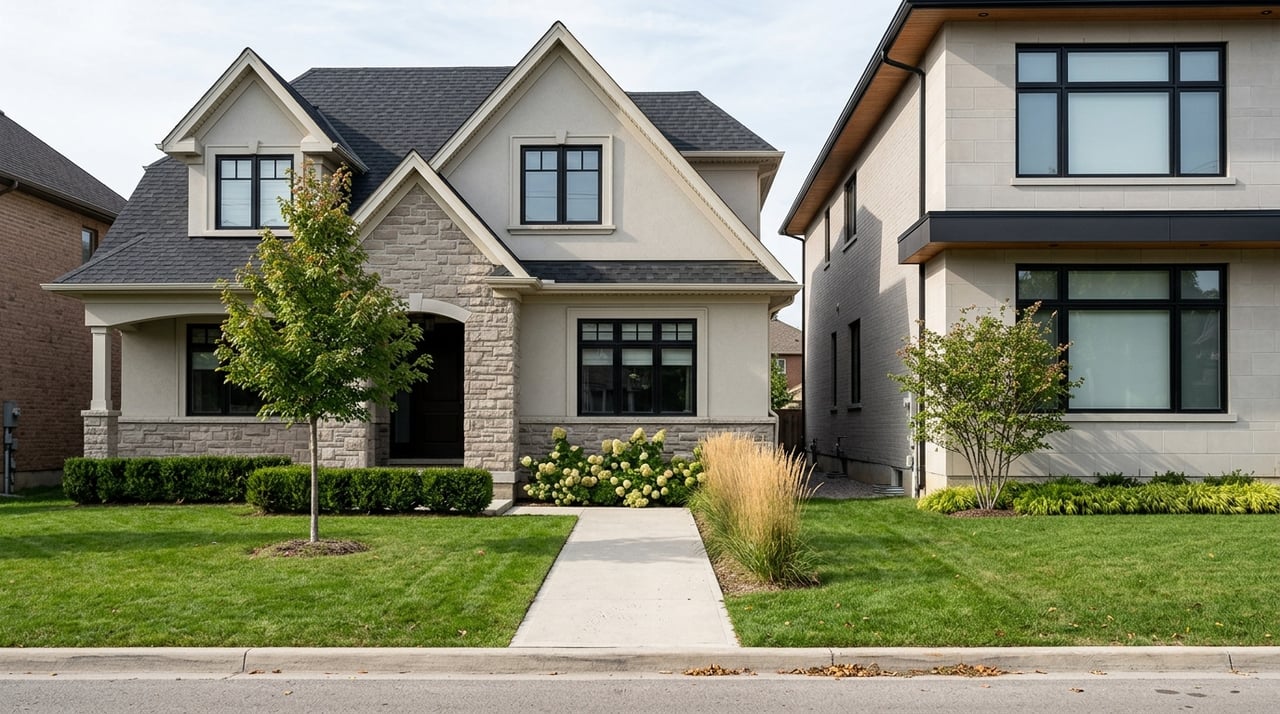
That matters if you are shopping in the area today. You may see original homes with updated rear additions, altered front façades, or entirely newer dwellings that are larger and more modern in appearance.
What Makes an Addition Feel Compatible
In established Toronto neighbourhoods, the City expects additions and infill to respect prevailing lot size, massing, setbacks, garage placement, and landscape patterns under the Official Plan policy framework.
For you as a buyer or seller, that means the most successful updates usually do not ignore the street. They improve function inside the home while still fitting the rhythm outside.
Key Design Details to Notice
When you walk through Forest Hill North or review listings online, certain details are worth paying closer attention to. City heritage records repeatedly point to elements like roof pitch, gables, chimneys, window rhythm, cladding mix, and the way a home sits within its lot as important visual markers.
Here is what to watch for:
Rooflines and Gables
A steep roof and well-defined gables often signal older architectural roots, especially in Arts and Crafts and Tudor Revival homes. These features also create the layered silhouette that many buyers associate with classic Forest Hill North curb appeal.
Chimneys and Masonry
Tall chimneys and a thoughtful mix of brick, stucco, or stone can give a home depth and texture. On a listing, these materials often tell you whether the exterior still reflects its original character.
Windows and Proportion
Multi-paned windows appear often in the area’s heritage descriptions. Beyond style, window size and spacing can reveal whether a renovation kept the original proportions or introduced a very different look.
Setback and Landscaping
A home’s position on the lot matters here. In Forest Hill North, landscaping and setbacks are part of the neighbourhood’s visual identity, not just a background feature.
What Buyers Should Consider
If you are buying in Forest Hill North, architectural style is not only about appearance. It can also shape how you experience the home day to day.
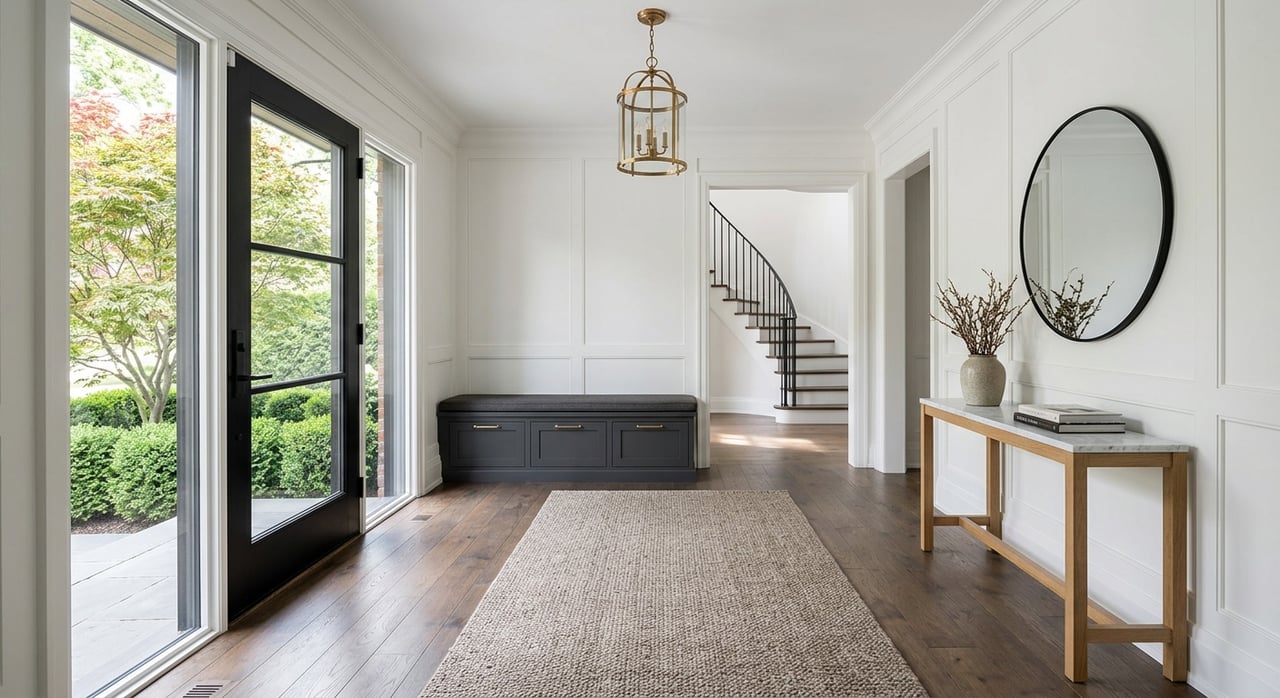
Because the area is dominated by detached and semi-detached houses rather than apartments, many buyers are evaluating room proportions, circulation, and the potential for rear additions or reconfigured entry and mudroom space. In other words, the questions often go beyond finishes.
A few smart things to assess include:
- Whether the exterior character matches your long-term taste
- How much of the original detail has been preserved
- Whether any addition feels integrated or visually abrupt
- How the home sits on the lot compared with neighboring properties
- Whether the layout supports your current and future needs
What Sellers Should Highlight
If you are preparing to sell a home in Forest Hill North, the architecture should be part of the story you tell. Buyers in this type of neighbourhood are often responding to more than square footage.
Strong listing presentation can draw attention to features such as:
- Original or period-inspired rooflines
- Distinctive chimneys
- Brick, stucco, or stone combinations
- Multi-paned windows
- Treed lot setting and setback from the street
These details help buyers understand how your property fits into the neighbourhood’s character. That context can make your home feel more memorable and more grounded in place.
Why Architectural Continuity Matters
Forest Hill North’s enduring appeal is closely tied to continuity. City planning policy protects prevailing lot patterns, setbacks, and heritage buildings, while heritage decisions emphasize conserving original windows, façades, and massing.
For buyers, that continuity can make the neighbourhood feel stable and visually coherent. For sellers, it reinforces why compatible renovations and preserved period details remain important features to present thoughtfully.
Final Thoughts on Forest Hill North Homes
Forest Hill North stands out because it blends classic architectural vocabulary with careful change over time. Arts and Crafts and Tudor Revival homes give the area much of its identity, while renovations and infill add a modern layer that reflects how people live today.
If you are trying to understand what gives a home in this neighbourhood its appeal, start with the details that repeat from street to street: rooflines, chimneys, windows, materials, setbacks, and landscaping. If you want expert guidance on buying or selling in North Toronto with a strategy tailored to the neighbourhood, connect with Frank Fu Feng.
FAQs
What architectural styles are most common in Forest Hill North homes?
- Forest Hill North is strongly associated with Arts and Crafts and Tudor Revival design, supported by City heritage records and the area’s large share of older detached homes.
Why do many Forest Hill North homes have large setbacks?
- Early Forest Hill by-laws required larger frontages, setbacks, and tree planting, and current City policy continues to treat setbacks and landscaped open space as important character features.
What makes a renovation fit well in Forest Hill North?
- A compatible renovation or infill generally respects the street’s existing lot size, massing, setbacks, garage placement, and landscaping pattern.
What exterior details should buyers notice in Forest Hill North houses?
- Key details include roof pitch, gables, chimneys, brick and stucco or stone combinations, multi-paned windows, and how the home sits within a treed lot.
Why does architectural style matter when selling a Forest Hill North home?
- Style helps buyers understand how a property fits the neighbourhood’s established character, which can make listing presentation more compelling and easier to contextualize.