Thinking about selling in Lawrence Park? In this neighbourhood, buyers often notice the full picture before they ever focus on a countertop or paint colour. Street character, mature landscaping, lot presence, and overall condition can shape first impressions fast. If you want to sell with confidence, the key is to prepare your home thoroughly, price it with discipline, and launch with a polished marketing plan. Let’s dive in.
Why Lawrence Park Needs a Different Approach
Lawrence Park has a long-established residential identity that dates back to its 1910 garden-suburb planning, with hills, ravines, mature trees, and strong visual character built into the neighbourhood’s layout. According to a City of Toronto background report, that history still matters today because the setting and exterior presentation remain a meaningful part of how homes are perceived.
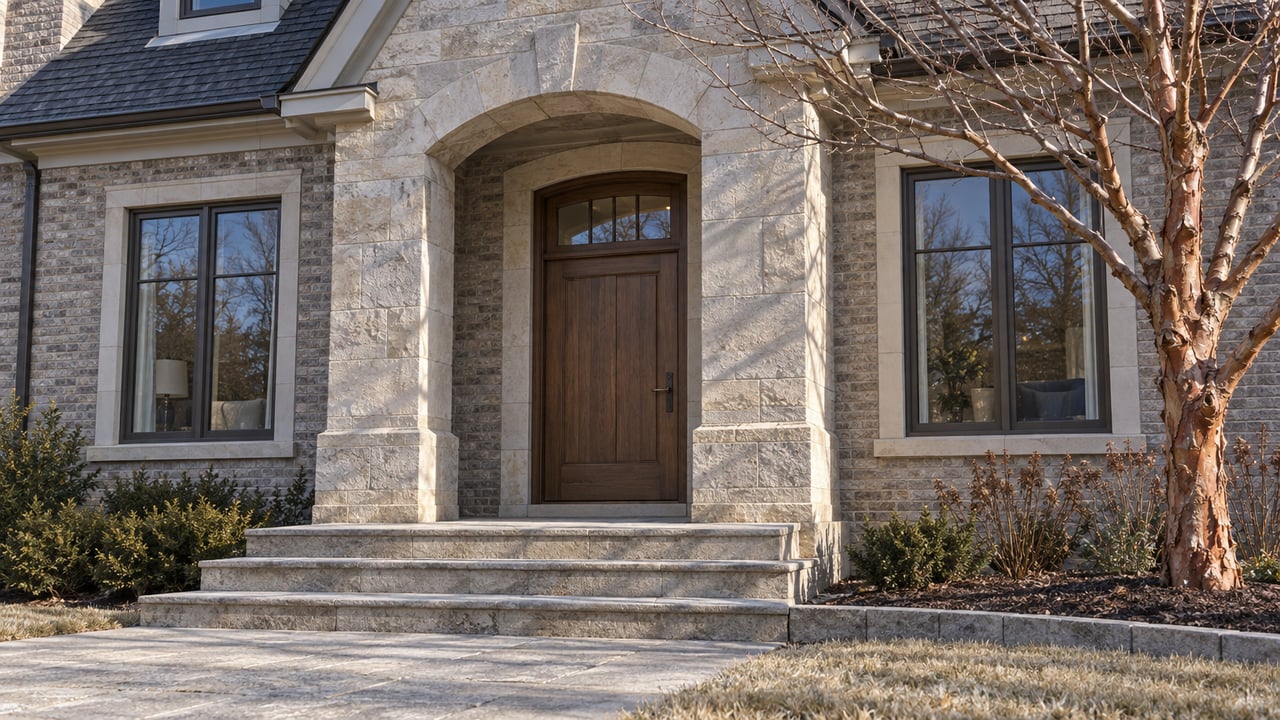
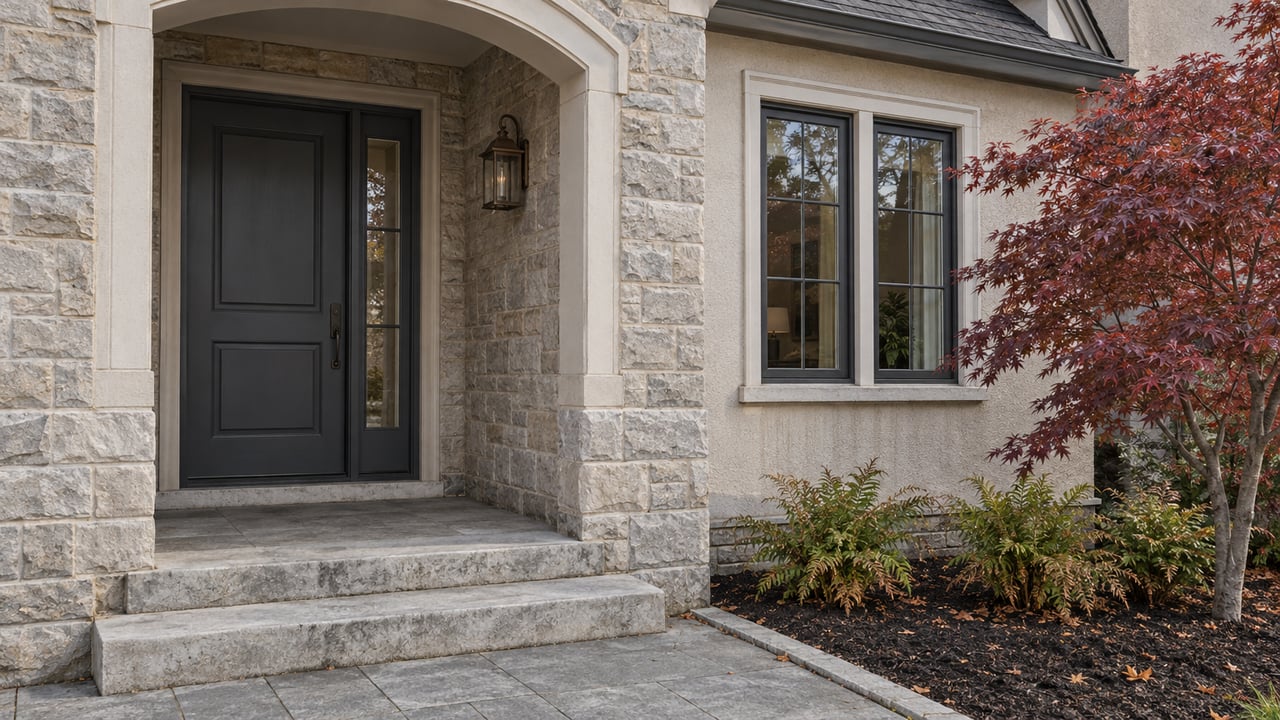
That means preparing to sell a home in Lawrence Park is not just about making the inside look current. You also need to think about curb appeal, landscaping, maintenance, and how your home fits the feel of its immediate street. In many cases, the exterior impression helps support the price buyers are willing to pay.
Know the Lawrence Park Market
Lawrence Park is not one simple market. TRREB community data separates Lawrence Park North and Lawrence Park South, and the numbers show why that matters.
In Q4 2025, Lawrence Park North recorded 32 sales, with an average price of $1,943,127, a median price of $1,842,500, and an average of 24 days on market. Lawrence Park South also had 32 sales, but with a higher average price of $2,317,406, a median of $1,772,500, and the same average of 24 days on market.
Those numbers are useful for context, but they do not tell the whole story. In Q3 2025, Lawrence Park South posted an average price of $2,987,930 and a median of $2,650,000, showing how quickly averages can shift when the mix of homes sold changes. That is why sellers should treat neighbourhood averages as a starting point, not a pricing formula.
Price From Micro-Comps, Not Headlines
If you want to maximize your result, your pricing strategy should be based on recent sales that closely match your home. In Lawrence Park, that usually means comparing property type, lot size, renovation level, parking, street profile, and overall positioning within the neighbourhood.
This matters because sale prices can vary widely. Recent detached sales cited in the research include 120 Chudleigh Avenue, which sold for $2,256,000 on April 28, 2025 after 6 days, while other detached sales in the area reached $3,599,000, $4,600,000, and $5,950,000. The spread shows that the Lawrence Park name alone does not determine value.
Attached homes also show wide differences. The research notes that 1256 Avenue Road sold for $2,175,000 on September 10, 2025, while 248 Glengrove Avenue W sold for $1,350,000 on August 5, 2025. Size, finish level, parking, and layout all influence where your property belongs in the market.
What smart pricing looks like
A strong pricing plan usually includes:
- Recent sold homes in the same property category
- Similar lot dimensions and street character
- Comparable renovation quality and layout
- Adjustments for parking, basement finish, and outdoor space
- Attention to whether your home belongs in a more premium pocket or a more typical range
If your home is highly updated or sits on an oversized lot, your comparisons should reflect that. If it needs work or has limitations, it is important not to anchor expectations to estate-style sales that are not truly comparable.
Prepare the Home Before You List
In the current market, preparation matters even more than timing. TRREB’s March 2026 Market Watch reported 5,039 GTA home sales, up 1.7 percent year over year, while new listings were down 16.7 percent. At the same time, the average price was $1,017,796, down 6.7 percent, and the MLS Home Price Index was down 7.4 percent.
The takeaway for Lawrence Park sellers is clear. Buyers are still careful, and they often have negotiating power. A home that is not fully ready can sit longer or attract lower offers, especially if the asking price leaves little room for buyer hesitation.
Focus on visible and mechanical readiness
Before launch, review both presentation and condition. Buyers in Lawrence Park are often looking closely at whether a home feels move-in ready and well maintained.
Your pre-listing checklist may include:
- Paint touch-ups and minor cosmetic repairs
- Deep cleaning and decluttering
- Hardwood, tile, and carpet refreshes where needed
- Window, trim, and front entry maintenance
- Lighting updates for a brighter showing experience
- HVAC, plumbing, and electrical servicing if deferred maintenance exists
- Basement moisture review and drainage checks
If a buyer sees quality presentation backed by good upkeep, it becomes easier for them to justify a premium offer.
Don’t Overlook Trees, Ravines, and Drainage
Lawrence Park’s landscaping is a major selling feature, but it also comes with rules. The City of Toronto notes that many trees on private property and in ravine areas are protected, and permits may be required before injuring or removing protected trees or doing work in regulated ravine areas. Before starting landscaping or tree work, review the city’s tree and ravine protection permit requirements.
This is especially important if you are planning to tidy up the lot before listing. A cleaner yard can help your sale, but unapproved work can create delays or complications.
Drainage is another area worth reviewing. The City has also studied local road, stormwater, drainage, and basement flooding issues in parts of Lawrence Park through its Lawrence Park neighbourhood road and stormwater management study. For sellers, this makes grading, waterproofing, sump systems, and basement condition especially worth checking before going live.
Stage Strategically
Staging is not about making your home look generic. It is about helping buyers understand the space quickly and positively. In a neighbourhood like Lawrence Park, where presentation can help justify a premium, that matters.
The National Association of Realtors 2025 staging snapshot found that 83 percent of buyers’ agents said staging made it easier for buyers to visualize a property as a future home. The rooms most often staged were the living room, primary bedroom, and dining room.
The more detailed 2025 NAR staging report also found a median staging-service spend of $1,500, and 17 percent of buyers’ agents reported a 1 to 5 percent increase in dollar value from staged homes. That does not mean every room needs a full redesign. It does suggest that targeted staging can be a smart part of your selling plan.
Where staging usually matters most
For many Lawrence Park listings, the highest-impact spaces are:
- Living room
- Primary bedroom
- Dining room
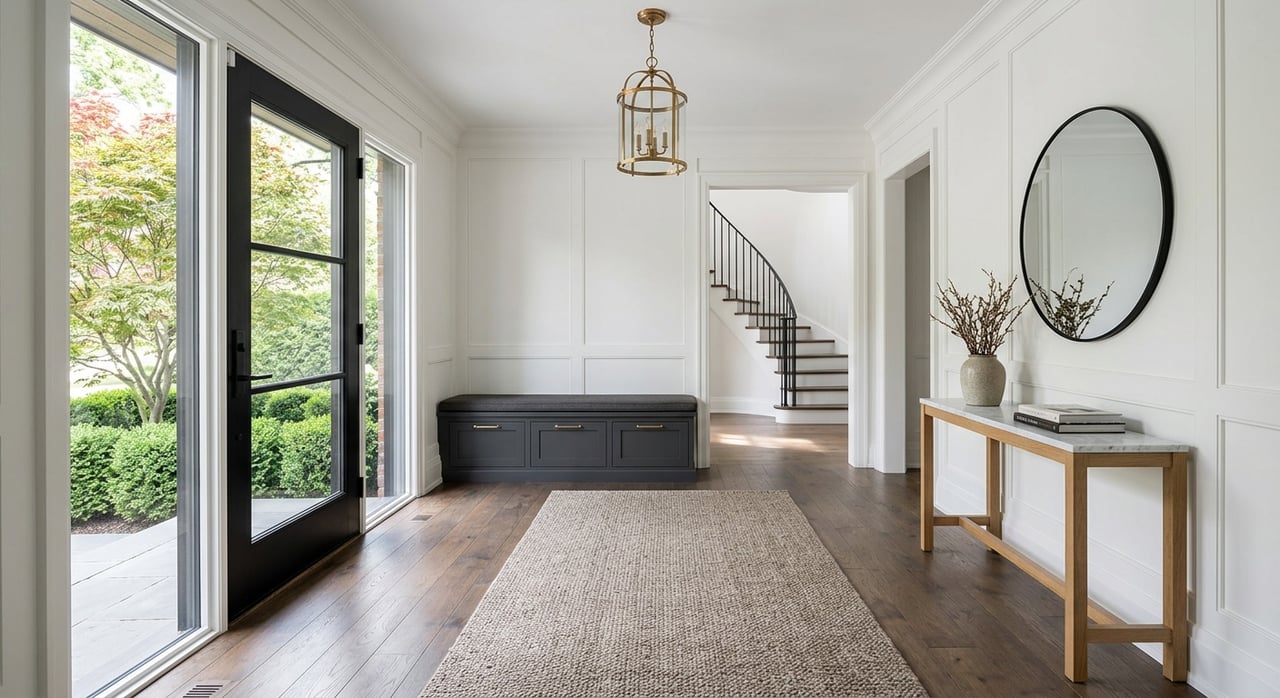
- Front entry
- Family room or kitchen seating area
- Lower-level recreation space, if finished
A concierge-style approach can help you focus resources where buyers will notice them most.
Invest in Professional Marketing
Once your home is ready, your launch should match the quality of the property. The same NAR research found that buyers’ agents place high importance on photos, physical staging, and video. That supports a polished marketing package rather than a basic upload-and-wait approach.
For Lawrence Park, effective marketing often includes:
- Professional photography
- Video or cinematic walkthroughs
- Floor plans
- Thoughtful feature highlighting
- Compelling listing copy grounded in the home’s real strengths
- Digital exposure designed to reach serious buyers quickly
This is one area where preparation and pricing work together. Strong visuals can support value, but only if the condition and asking price feel credible to the market.
Plan Your Sale in the Right Order
Many sellers lose momentum by doing things out of sequence. In Lawrence Park, it is usually better to prepare first, then price, then market.
A practical order looks like this:
- Assess the home’s condition and likely buyer expectations
- Review true comparable sales for your exact property type
- Complete repairs, cleaning, and selective upgrades
- Confirm any permit issues related to trees, ravines, or exterior work
- Stage key rooms strategically
- Produce professional photos and marketing assets
- Launch at a price supported by micro-market evidence
That sequence helps reduce guesswork and puts you in a stronger negotiating position once buyers start comparing your home to others.
Final Thoughts on Selling in Lawrence Park
Preparing to sell a home in Lawrence Park means more than putting a sign on the lawn. The most successful listings tend to share three things: the home is visually and mechanically ready, the price reflects true comparable sales instead of broad averages, and the marketing presentation makes a strong first impression.
If you want to sell with a clear plan and neighbourhood-specific guidance, working with a local advisor can make the process feel much more manageable. For tailored support on pricing, staging, and launch strategy in Lawrence Park, connect with Frank Fu Feng.
FAQs
How should you price a home in Lawrence Park, Toronto?
- Use Lawrence Park North or South data for context, then narrow your pricing to recent sold homes that match your property type, lot size, renovation level, parking, and street profile.
What should you fix before selling a home in Lawrence Park?
- Focus on visible maintenance, minor repairs, deep cleaning, decluttering, lighting, and any mechanical or basement-related issues that could raise buyer concerns.
Does staging help when selling a Lawrence Park home?
- Yes. NAR’s 2025 research found that 83 percent of buyers’ agents said staging helps buyers visualize a property, with living rooms, primary bedrooms, and dining rooms staged most often.
Do you need permits for tree work in Lawrence Park, Toronto?
- Possibly. The City of Toronto says many trees on private property and in ravine areas are protected, so you should confirm permit requirements before starting tree removal or related landscaping work.
Why do Lawrence Park home prices vary so much?
- Prices can differ widely based on lot size, renovation quality, parking, street prestige, and property type, which is why broad neighbourhood averages are less useful than true like-for-like comparable sales.