Wondering what it’s really like to live in Toronto’s Hoggs Hollow day to day? This neighbourhood has a reputation for being quiet, tucked away, and highly sought after, but the real appeal comes from how it feels when you move through it. If you want a clearer picture of the streets, outdoor setting, and commuting convenience, this guide will walk you through the everyday lifestyle in Hoggs Hollow. Let’s dive in.
Hoggs Hollow at a glance
Hoggs Hollow sits east of Yonge Street and south of York Mills Road in Toronto. The area is shaped by its ravine setting, and the City of Toronto’s Official Plan places it within the Don River – West Branch Special Policy Area.
That planning context matters because it helps explain why the neighbourhood feels different from many other parts of North Toronto. Instead of a flat street grid and a busy urban rhythm, you get a more natural landscape, curving roads, and a quieter residential setting.
A residential pocket with a distinct feel
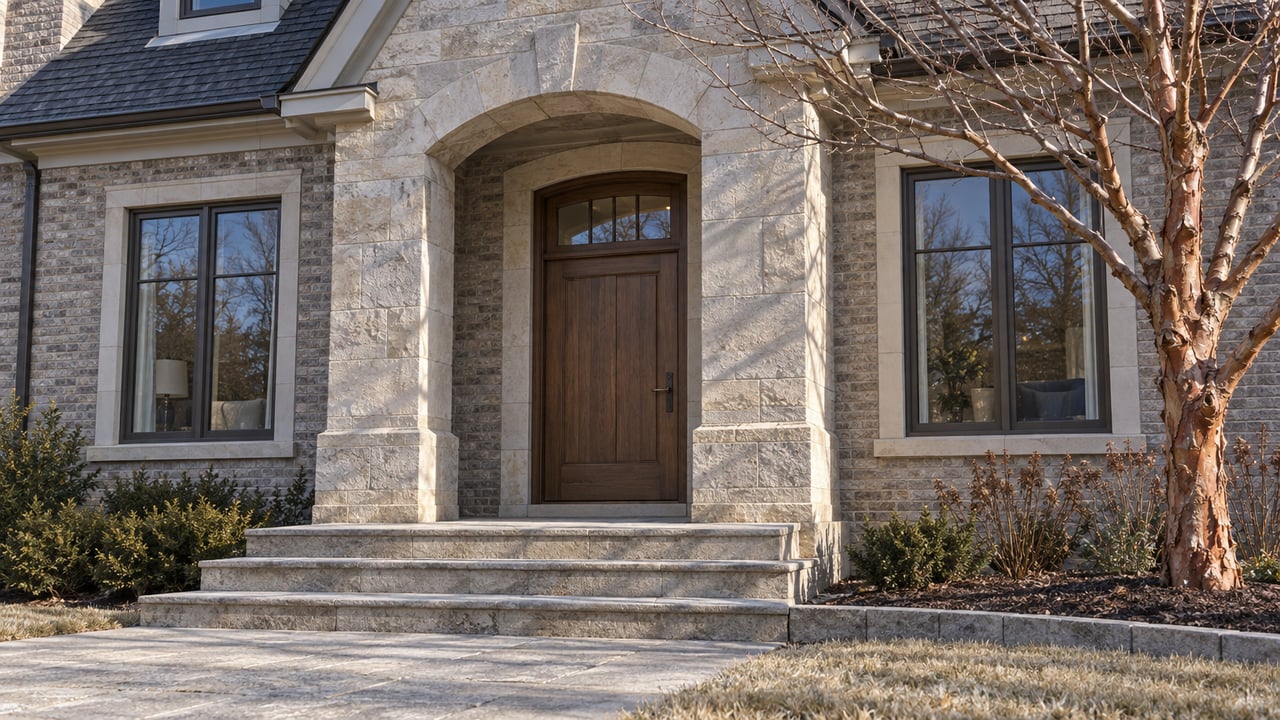
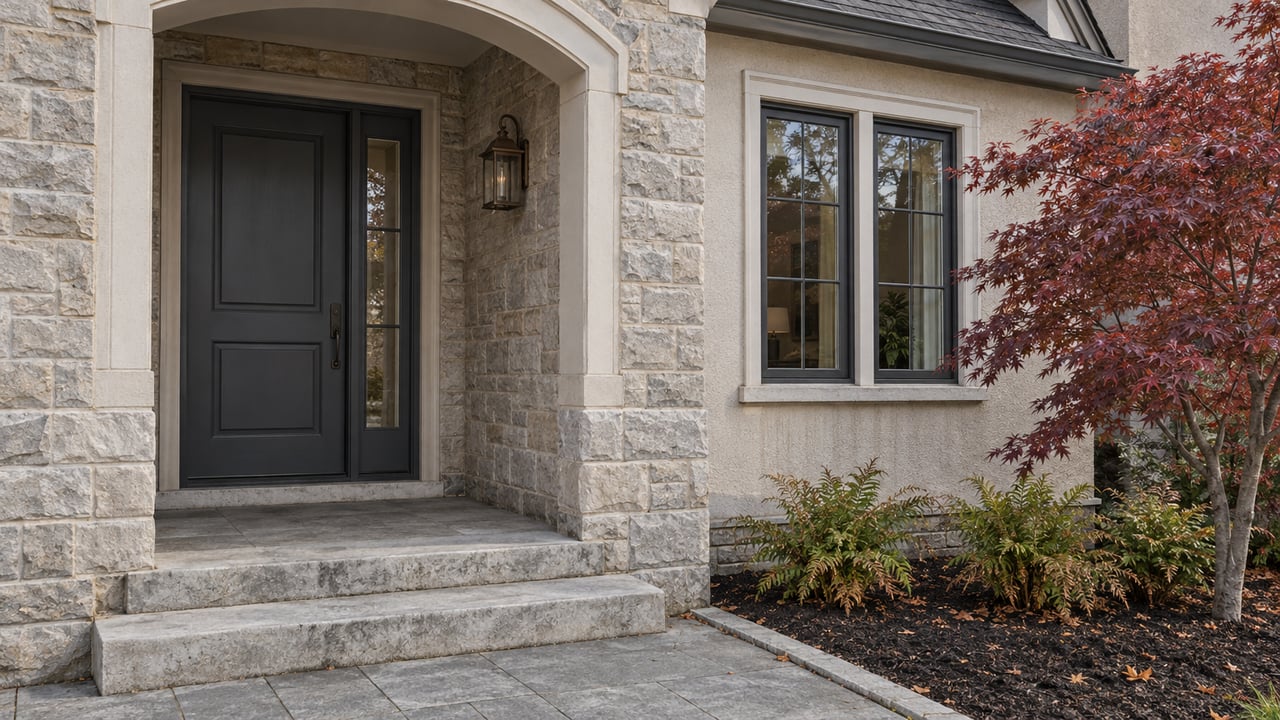
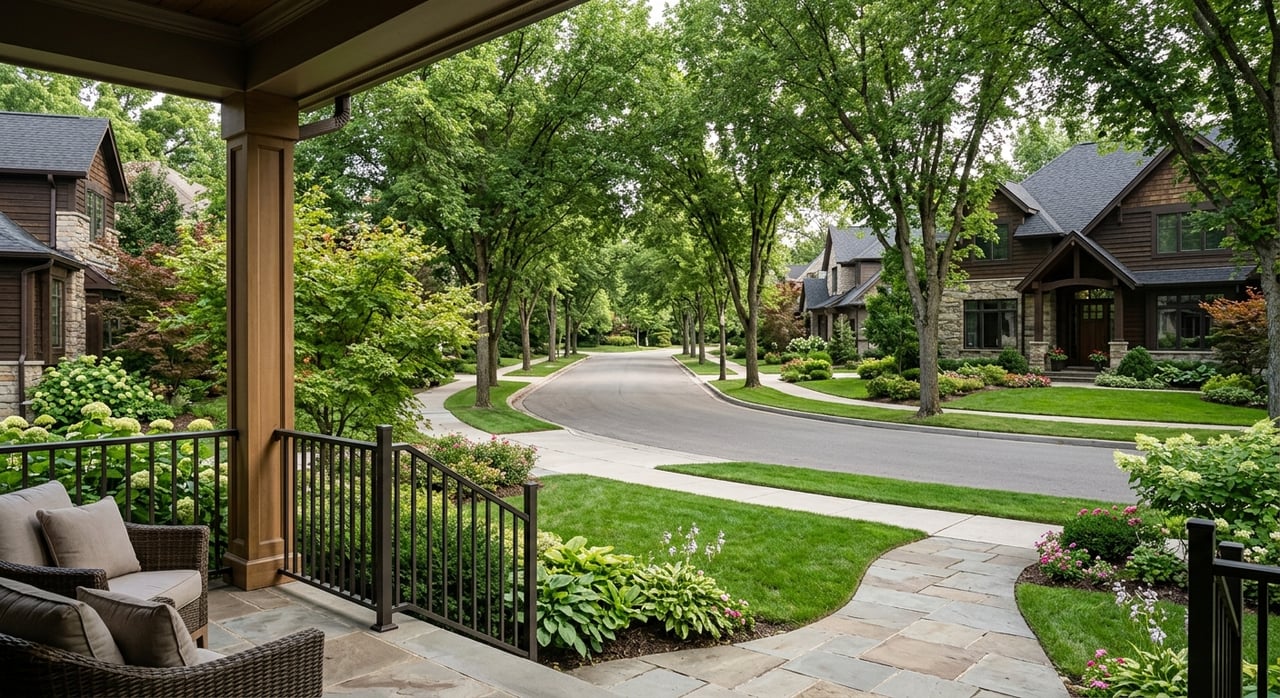
One of the clearest things you notice in Hoggs Hollow is its physical character. A City of Toronto heritage report describes the neighbourhood as a garden suburb with curvilinear streets, a mature tree canopy, and a natural landscape setting.
That description matches the everyday experience of being here. Streets feel softer and less rigid, homes are framed by greenery, and the area reads as predominantly residential rather than retail-focused.
A City road and drainage study also recorded local preference for preserving a rural character, narrow roadway widths, and trees. While that document is older, it still helps explain why Hoggs Hollow continues to feel tucked away and calm.
What daily life feels like
If you like a neighbourhood that feels separate from the city’s faster pace, Hoggs Hollow stands out. The strongest lifestyle cues here are tree cover, topography, and a sense of retreat.
This is not a main-street neighbourhood built around shops on every corner. Instead, everyday living is more about coming home to a quiet residential environment and heading to nearby corridor amenities when you need transit, errands, or services.
For many buyers, that balance is the draw. You can stay connected to central Toronto while still living in an area that feels more secluded and landscape-led.
Outdoor living and ravine access
The ravine landscape is one of Hoggs Hollow’s biggest lifestyle features. The neighbourhood is tied closely to the West Don River system, and that natural setting shapes both its beauty and its planning context.
Toronto and Region Conservation Authority notes that the G. Ross Lord Dam was built for West Don River flood control, and the Yonge-York Mills Channel was constructed to help protect the Hoggs Hollow community along with the dam and reservoir. In practical terms, floodplain awareness is part of the local story here, not just a technical planning detail.
For residents, the upside is clear. You live near one of Toronto’s most distinctive river and ravine landscapes, which adds a strong sense of nature to everyday life.
Trails and green space nearby
If you enjoy walking, cycling, or simply getting outside, the broader Don Valley trail network is a major advantage. The City of Toronto describes Crothers Woods as a unique forest habitat with about 10 kilometres of natural-surface trails.
The City also says E.T. Seton Park connects into the Lower Don Trail, West Don Trail, Taylor Creek Trail, and East Don Trail. That wider network means you are not limited to small local greenspaces. You have access to a more expansive outdoor system that supports longer outings and active weekends.
Even if your own street feels quiet and residential, the surrounding area gives you access to a very different kind of city experience. That mix of private residential calm and nearby trail connectivity is a defining part of living here.
Commuting from Hoggs Hollow
For many people, Hoggs Hollow works because it offers strong transit access without putting you in the middle of a dense high-rise district. York Mills Station is the key transit anchor for the area.
According to the TTC, York Mills Station is on Line 1 and connects with several surface routes, including 95 York Mills, 96 Wilson, 97 Yonge, 115 Silver Hills, 122 Graydon Hall, 165 Weston Rd North, 320 Yonge, 395 York Mills, 396 Wilson, and the 995 and 996 express routes.
That level of service gives you flexibility for commuting and day-to-day travel. If you work downtown, along the Yonge corridor, or elsewhere in North York, the station is a major convenience.
What to know about station access
The TTC also notes that York Mills Station has bike parking at the Yonge/Wilson, York Mills Centre, and Old York Mills Road entrances. There is no station parking for cars.
That detail can affect how you plan your routine. If transit is a big part of your lifestyle, it helps to think about how you will get to the station and how often you will rely on buses, walking, or cycling.
For many residents, that tradeoff is still attractive. You get subway access close by, while the neighbourhood itself remains low-rise and residential.
Errands and day-to-day convenience
Hoggs Hollow is best understood as a residential enclave rather than a self-contained retail hub. Daily errands and transit connections tend to orient toward the York Mills and Yonge corridor.
That means your immediate streetscape may feel peaceful and low-activity, while your practical conveniences are a short trip away. For some buyers, that is ideal. For others, it is worth considering if they prefer to have more shops and services directly outside their door.
This is why lifestyle fit matters so much in Hoggs Hollow. If you value quiet surroundings and are comfortable accessing amenities through nearby corridors, the neighbourhood can feel like a very strong match.
How Hoggs Hollow compares nearby
Compared with other nearby North Toronto and North York communities, Hoggs Hollow has a more landscape-driven rhythm. Its identity comes less from commercial streets and more from its ravine setting, mature canopy, and curving roads.
In simple terms, it offers a different tradeoff than more urban pockets nearby. You give up some of the immediate retail energy and street-level bustle, but you gain greenery, quieter roads, and a stronger sense of separation from major corridors.
That makes Hoggs Hollow especially appealing if you want a home environment that feels calm and established while still staying close to transit. It is a neighbourhood where setting plays a bigger role in daily life than storefront activity.
Who Hoggs Hollow tends to suit
Hoggs Hollow often appeals to buyers who want a peaceful residential setting in North Toronto without feeling disconnected from the rest of the city. The area can be especially compelling if your priorities include privacy, greenery, and convenient subway access.
It may also stand out for homeowners who value the character of established neighbourhoods. The mature tree canopy, natural landscape, and gradual infill pattern all contribute to a setting that feels layered and distinct.
At the same time, it helps to be realistic about the lifestyle. If your ideal routine depends on a dense concentration of cafés, shops, and constant street activity right outside your home, another neighbourhood may feel more aligned.
Why local guidance matters here
Hoggs Hollow is one of those neighbourhoods where the map only tells part of the story. The ravine context, the street pattern, and the relationship to the York Mills corridor all affect how homes and micro-locations feel from one block to the next.
That is why neighbourhood-specific guidance can make a real difference when you are buying or selling here. Understanding the setting, transit access, and day-to-day rhythm helps you make a decision that fits both your property goals and your lifestyle.
If you are exploring Hoggs Hollow or thinking about a move within North Toronto, working with a local advisor can help you compare options with more clarity. For tailored neighbourhood insight and a client-first approach, connect with Frank Fu Feng.
FAQs
What is Hoggs Hollow like for everyday living in Toronto?
- Hoggs Hollow feels quiet, residential, and landscape-oriented, with curving streets, mature trees, and a ravine setting that gives it a more tucked-away character than many nearby neighbourhoods.
Is Hoggs Hollow good for commuting in Toronto?
- Hoggs Hollow offers convenient access to York Mills Station on TTC Line 1, along with several bus and express bus connections that support commuting across Toronto and North York.
Does Hoggs Hollow have trails and outdoor space nearby?
- Yes. The neighbourhood benefits from proximity to the West Don River landscape and broader Don Valley trail connections, including access to major trail networks described by the City of Toronto.
Is Hoggs Hollow a walk-to-shops neighbourhood?
- Hoggs Hollow is more residential than retail-driven, so day-to-day errands and services are generally oriented toward the York Mills and Yonge corridor rather than concentrated within the neighbourhood itself.
What makes Hoggs Hollow different from nearby North Toronto areas?
- Hoggs Hollow stands out for its ravine-based setting, mature canopy, quieter roads, and garden-suburb character, offering a calmer and more secluded feel than more urban nearby communities.